Back · Cable · Beginner
Lat Pulldown
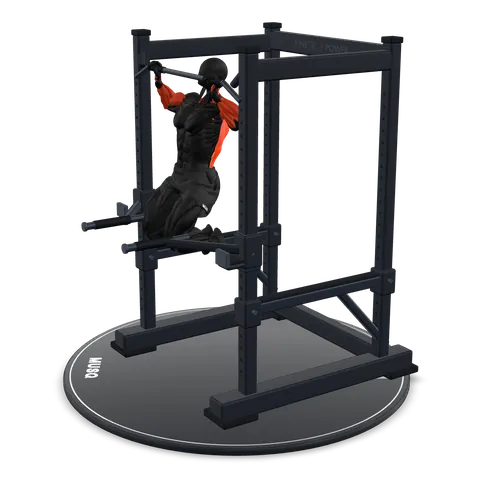
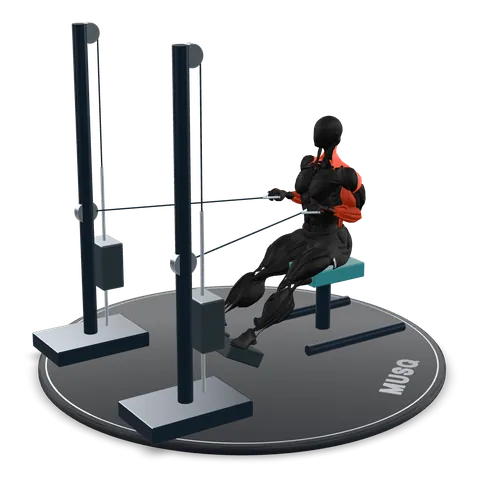
The lat pulldown trains the same pulling pattern as the pull-up but lets you choose the load. Seated under a cable stack, you pull a wide bar down to your upper chest, building the lats, upper back and biceps.
- Primary muscles
- Latissimus Dorsi
- Equipment
- Cable
- Level
- Beginner
- Sets × reps
- 3–4 × 8–12
- Rest
- 90 s
Muscles worked
Estimated activation, matching the orange paint on the 3D model.
- Latissimus Dorsiprimary
- Biceps Brachiisecondary
- Middle Trapeziussecondary
How to do the lat pulldown
- Set the thigh pads snug against your thighs.
- Take a wide overhand grip, hands a comfortable distance outside your shoulders, and sit down with straight arms.
- Lift your chest and lean back only slightly.
- Pull the bar to your upper chest, just below the collarbone, driving your elbows down and back.
- Let the bar rise slowly until your arms are straight again.
Form cues and common mistakes
The same coaching points MUSQ shows on the lifter in the app.
Torso Position
A little lean is fine; a lot is cheating.
Why it mattersA slight 5–10° backward lean keeps the pull in line with the torso without turning the exercise into a seated row.
Common mistakeRocking the torso far back on every rep to use body weight instead of the lats.
Do this insteadKeep the chest up and lean back only slightly, then hold that position for the whole set.
Elbow Path
This is the single biggest factor in whether the lats or the arms do the work.
Why it mattersDriving the elbows down and back, not straight down, keeps the shoulder moving through the lat's actual line of pull.
Common mistakeElbows flaring out to the sides as the bar comes down.
Do this insteadDrive the elbows down and back, brushing close to the sides of the torso.
Grip
A wide grip is the classic lat pulldown setup for a reason.
Why it mattersA grip wider than shoulder width shortens the range the arms travel and biases the lats over the arms.
Common mistakeA grip so narrow or so wide it turns the pull into mostly a biceps or a rear-delt exercise.
Do this insteadTake a wide overhand grip, hands a comfortable amount outside the shoulders.
Bar Path
Where the bar finishes decides whether the shoulder gets a safe range or a risky one.
Why it mattersPulling to the upper chest, at the top of the sternum, keeps the shoulder in a strong, supported position.
Common mistakePulling the bar behind the neck, which forces the shoulder into a vulnerable, over-rotated position.
Do this insteadPull the bar down in front of the body to the upper chest, just below the collarbone.
Base Position
The thigh pads exist to stop the body from being pulled off the seat.
Why it mattersThighs locked firmly under the pads let the lats pull the bar down instead of pulling the body up.
Common mistakeSliding forward on the seat as the weight gets heavy.
Do this insteadSet the thigh pads snug against the thighs before the first rep.
● Coming soon to iPhone
Train every lift in 3D with MUSQ
Nearly 500 exercises in 3D, x-ray set-up demos, stretching and a plan built around the days you train. MUSQ is coming soon to iPhone.
Lat Pulldown FAQ
Should you pull the bar to the front or behind your neck?
To the front, to your upper chest. Behind-the-neck pulldowns force the shoulders into an awkward position for no extra benefit.
Does grip width matter on lat pulldowns?
A grip a little outside the shoulders suits most people. Very wide grips shorten the range; close and neutral grips bring in more biceps.
Can lat pulldowns replace pull-ups?
They train the same muscles and are great for building up to pull-ups, but pull-ups also demand more core control.